For creative directors and design leads: build an AI-powered clearance gate to track sources and licenses, ensuring no discovered asset reaches production without human sign-off and verified usage rights.
What you will be able to do
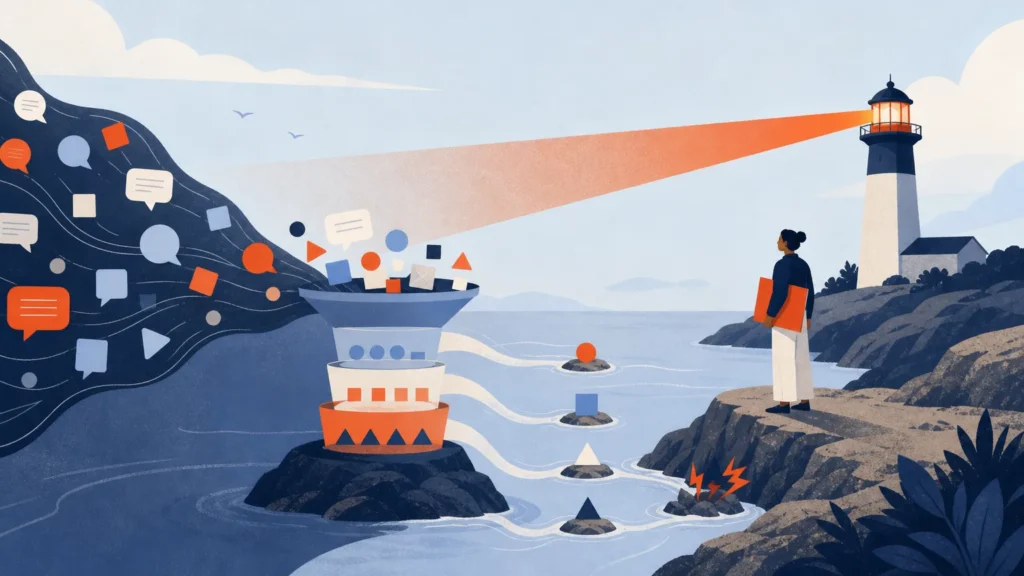
- Automate asset research: Write a precise specialist remit for a proactive AI agent to research sources and log licenses. Use this to replace manual searching and ensure every found asset is tracked from the moment it is discovered.
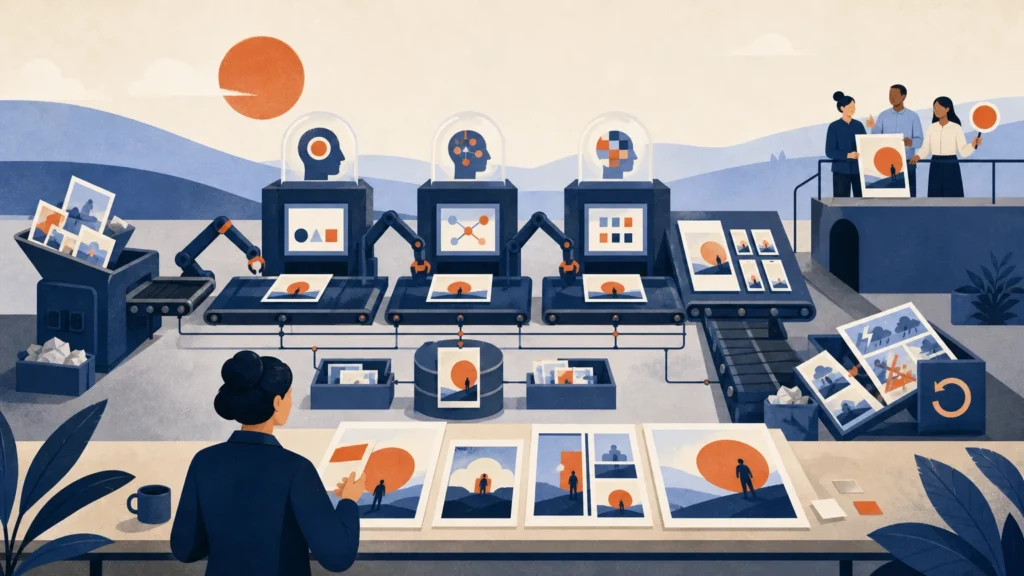
- Build a reference register: Create a structured tracking system that records the origin, purpose, and usage status of every asset. Use this register to maintain a single source of truth for all materials used in your moodboards and comps.
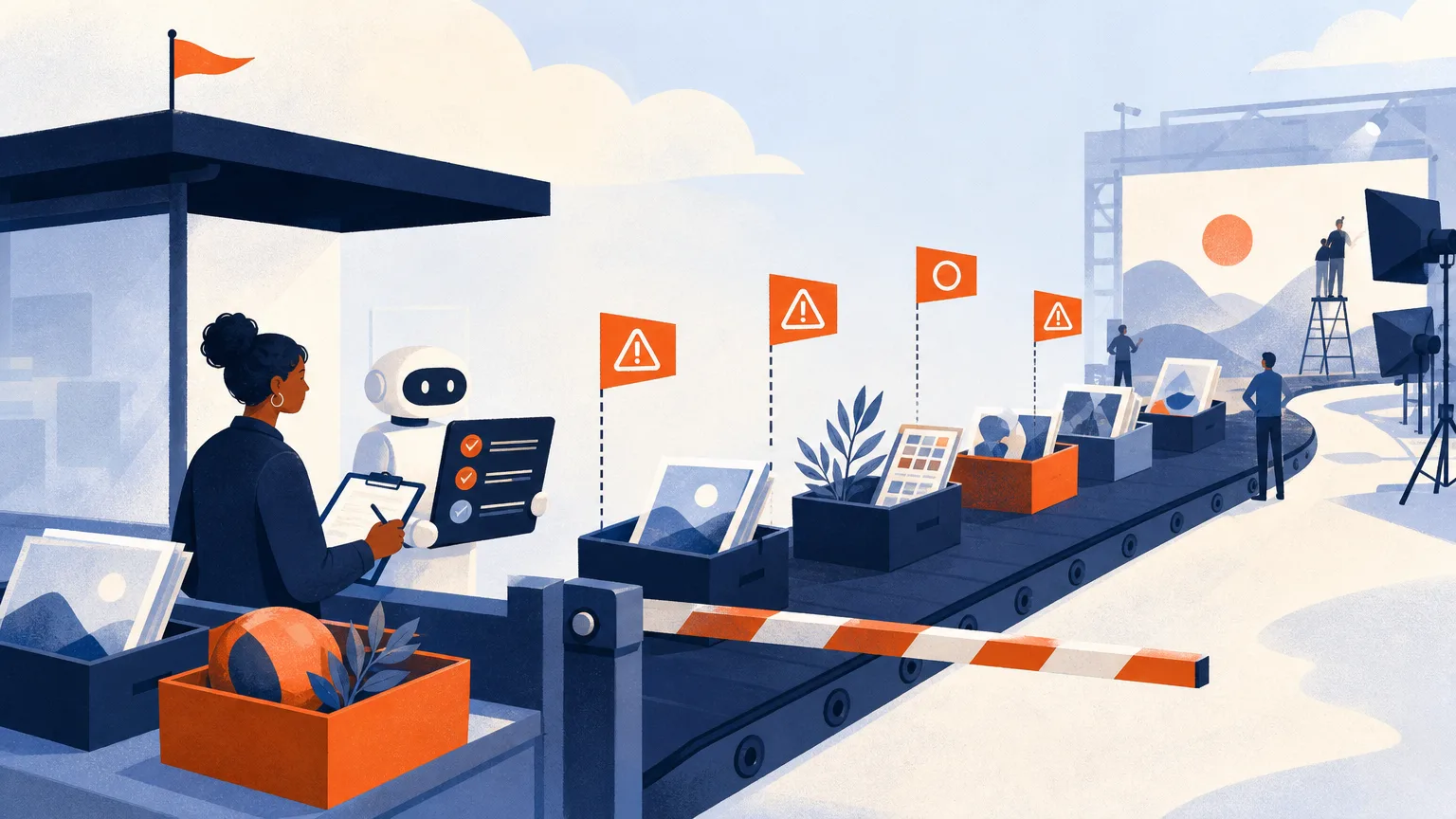
- Block uncleared production: Configure an asset-checking agent to withhold 'delivery-ready' status when rights approvals are missing. This ensures no asset is treated as cleared by default and prevents legal gaps from reaching production.
- Enforce human sign-off: Design a formal release gate where human rights reviewers must confirm clearance before final delivery. Use this protocol to transition assets from 'flagged' to 'cleared' with a documented audit trail.
- Apply authorship standards: Distinguish between purely generated material and human-authored work using US Copyright Office standards. Use these guidelines to determine what the brand can actually own and protect in its final output.
- Manage likeness permissions: Set up tracking for permissions and likeness requirements when using synthetic spokespeople. Use this to ensure all AI-generated human performances are backed by the necessary legal consents.
Taught at learn.m-a-s-t-e-r.ai: lessons that adapt to your level, an AI tutor you can ask anything, quizzes and flashcards, and a certificate when you finish.