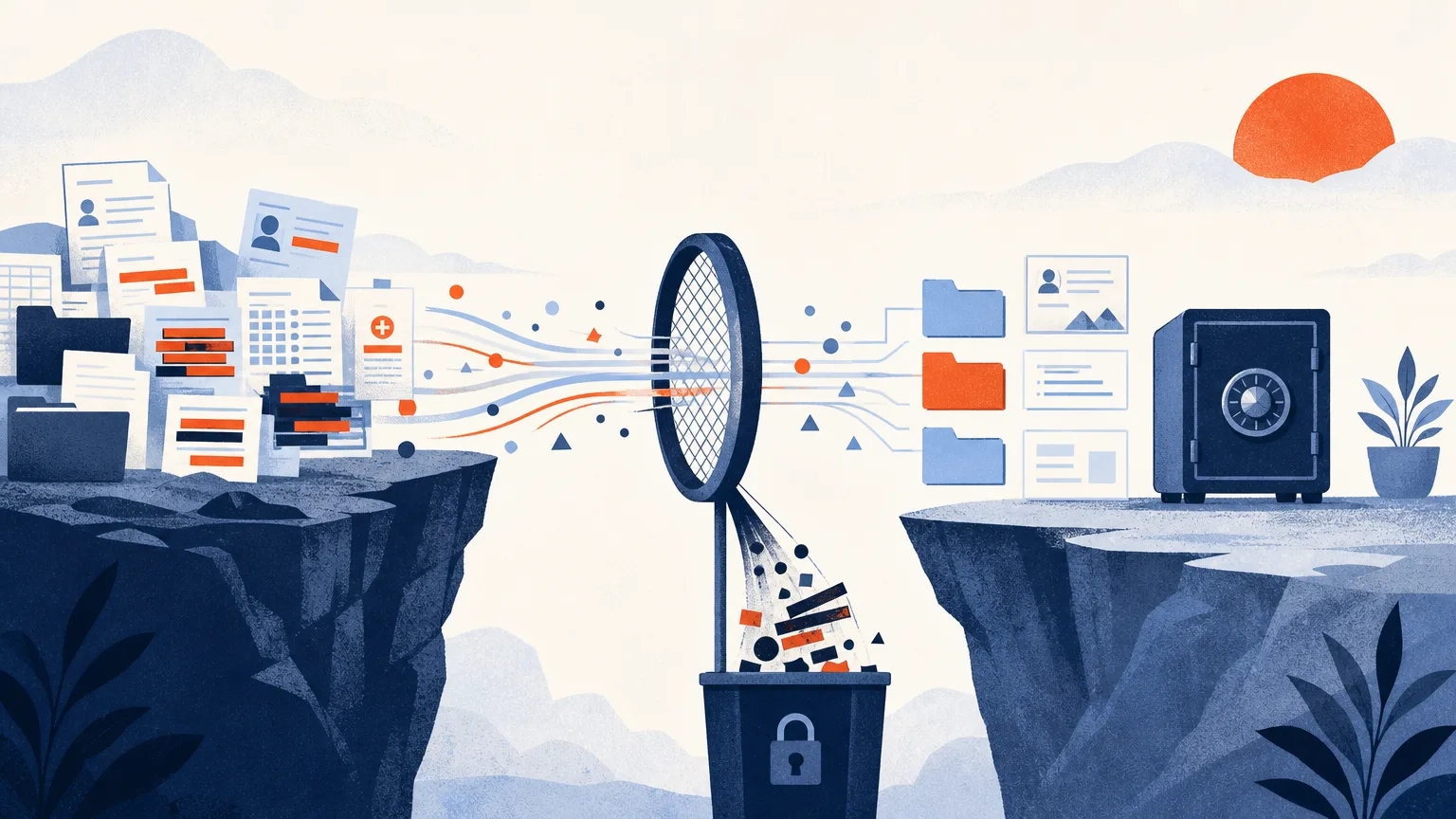
Stop guessing what you can paste into AI. Learn to classify sensitive data, map it to approved tools, and apply redaction checks to protect your account and your job.
What you will be able to do
- Classify sensitive project information: Distinguish between protected and non-protected data categories. You will be able to identify specific client-confidential and employee HR records that must remain in secured environments.
- Map data to approved AI tools: Match specific data types against your company's approved tools and connection permissions. Use this map to choose the correct tool based on the classification of the information you process.
- Apply simple redaction techniques: Remove sensitive identifiers from professional documents using practical redaction methods. You will learn to replace confidential data with generic placeholders before pasting into AI.
- Execute pre-sharing verification checks: Perform a final redaction check on your documents before they enter an AI prompt. This ensures no sensitive records are accidentally shared during the drafting process.
- Build a personal security checklist: Develop a repeatable, written habit for verifying AI inputs. You will apply this checklist to every prompt to ensure a consistent standard of data protection across all client work.
- Trace claims to approved sources: Verify that AI outputs are supported by evidence before they leave your desk. This process allows you to identify data leaks and errors by tracing claims back to the original source.
Taught at learn.m-a-s-t-e-r.ai: lessons that adapt to your level, an AI tutor you can ask anything, quizzes and flashcards, and a certificate when you finish.