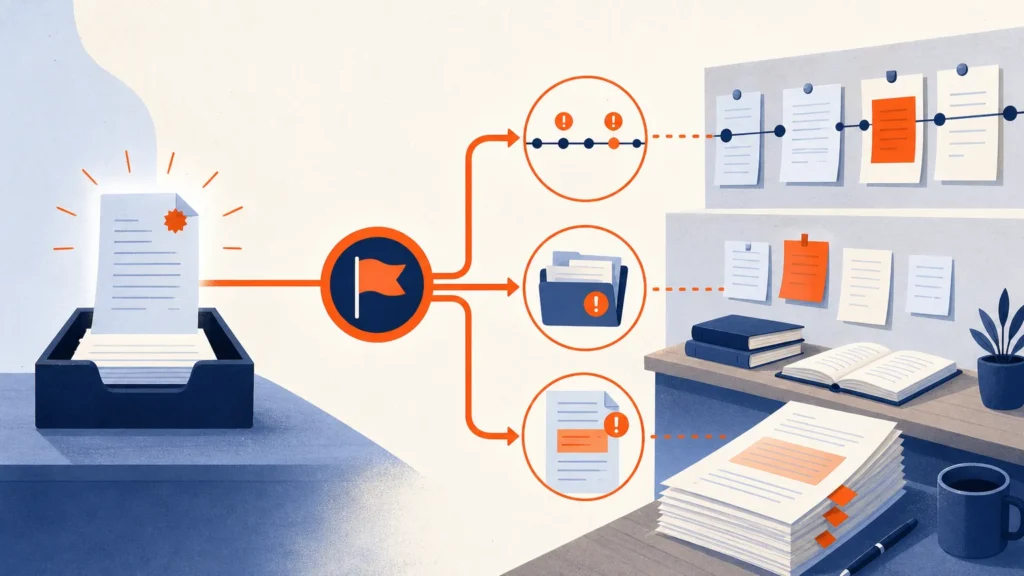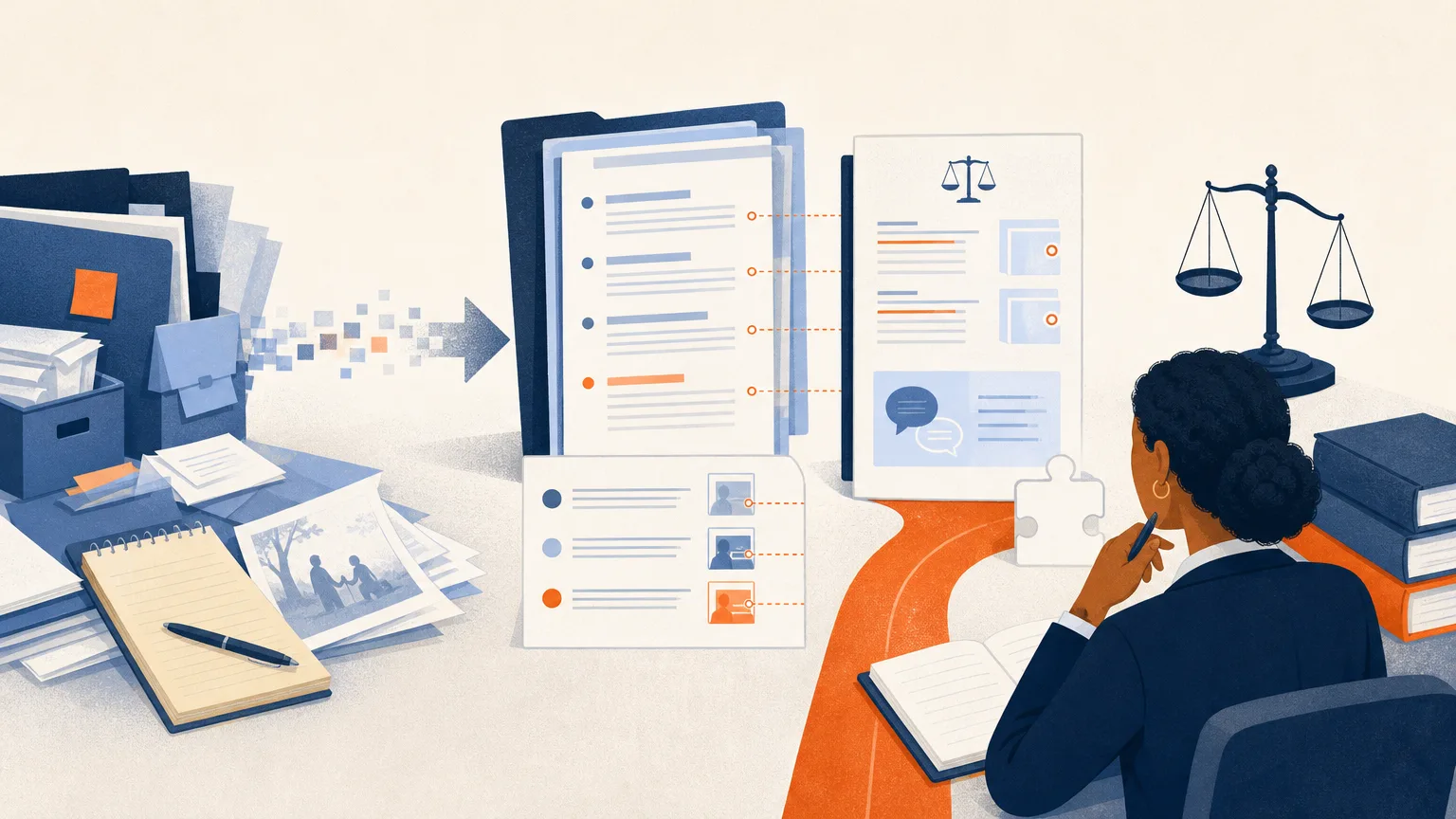
Write clear legal prompts, prepare a first-pass matter brief where every statement links to a source, and check a client explanation against the evidence, with open questions kept visible for the attorney.
What you will be able to do
- Pin down the matter before you prompt: Write a one-paragraph matter definition naming the parties, subject, stage, jurisdiction and reviewer. Then sort statements in the file into established, alleged, disputed or open, each with its source.
- Draft a brief where every line has a source: Produce a first-pass matter brief in which each factual statement links to the passage behind it. Learn to strike or flag anything an AI-assisted draft adds without support.
- Frame research questions that can be answered: Turn a vague issue into a research question that states the jurisdiction, the relevant facts and who the answer is for, with a plan for what sources to consult.
- Write client explanations the record supports: Draft a plain-language explanation of what is known, what is uncertain and what happens next. Check each claim against the matter file so an allegation never reads as a fact.
- Build prompts an attorney can review: Diagnose weak legal prompts, rewrite them with clear instructions, named sources and a required review step, and keep a reusable template for briefs, research questions and client explanations.
- Leave the attorney's decisions to the attorney: Mark privilege, discovery and authority questions for attorney decision in a matter note instead of resolving them in the draft.
Taught at learn.m-a-s-t-e-r.ai: lessons that adapt to your level, an AI tutor you can ask anything, quizzes and flashcards, and a certificate when you finish.