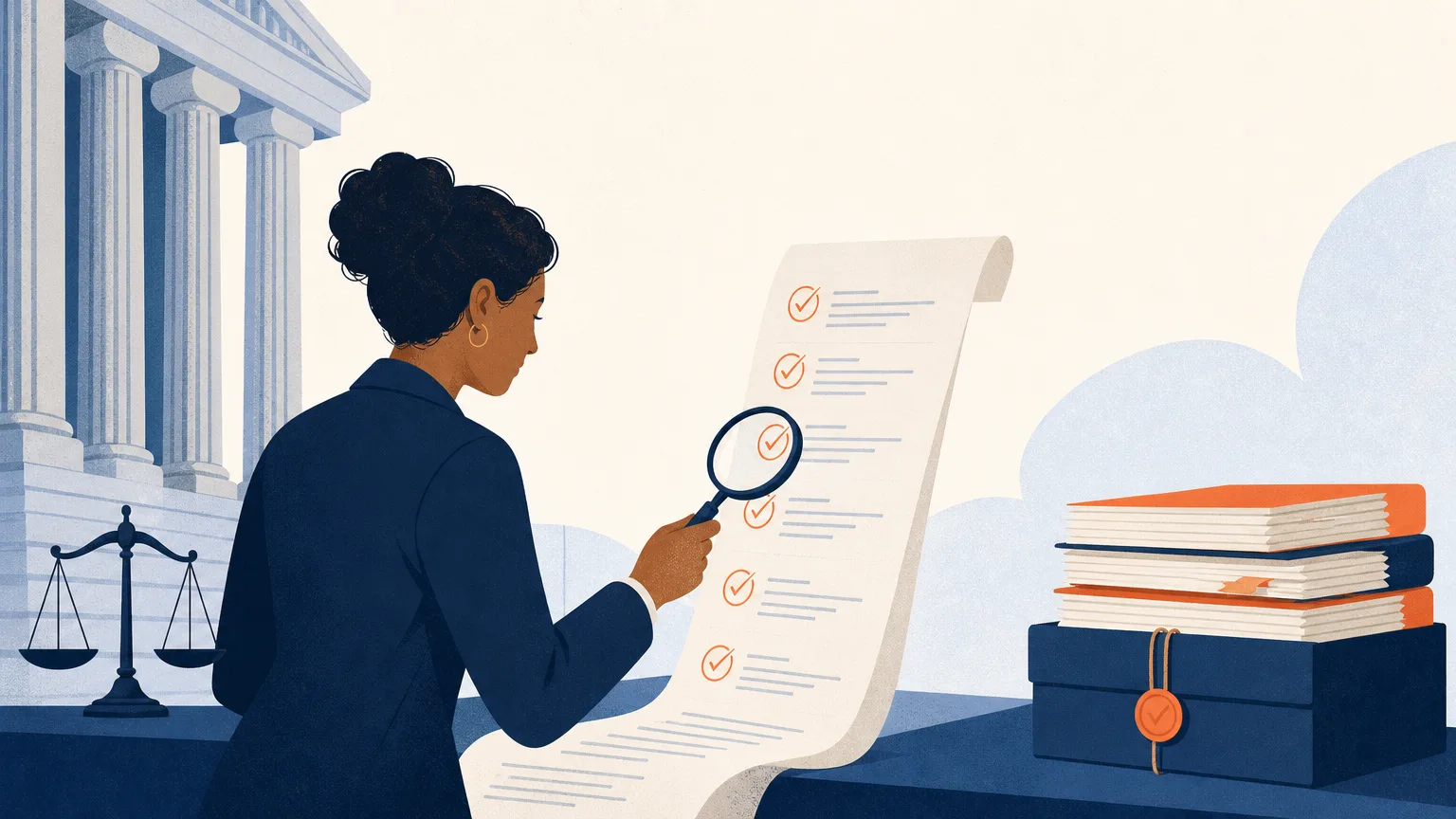
A repeatable workflow for attorneys and paralegals: confirm each citation exists, is still good law, and says what the sentence claims, then hand off a log that shows what you checked.
What you will be able to do
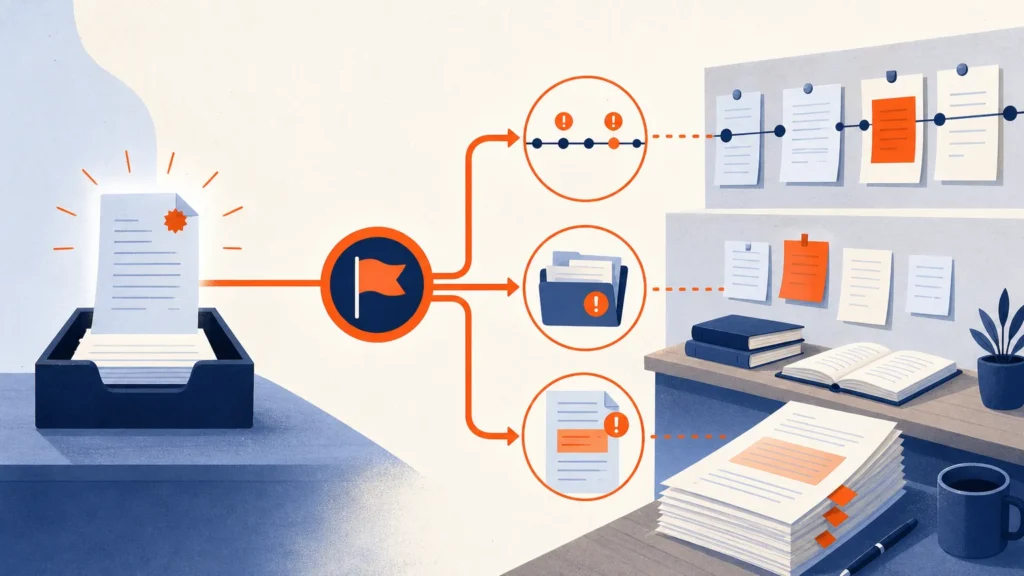
- Pull every citation into one log: Extract each citation, quotation, and pin cite from the body text and footnotes, including short forms and string cites, into a verification log with one row per citation.
- Pick the right source before you search: Decide which authoritative source fits each case, statute, regulation, court rule, or secondary source based on its court, jurisdiction, and document type, and record why.
- Confirm the authority is real and correctly cited: Check that the court, date, parties, and reporter citation match the draft, spot signs of an invented citation, and record not-found results instead of quietly swapping in another case.
- Know whether it is still good law, and where: Run a citator or official-record check, separate direct subsequent history from later negative treatment, and note whether that treatment touches the point you cite and in which jurisdiction.
- Catch misquotes and mismatched holdings: Compare quoted language word for word with the source, tell holding from dicta, concurrence, dissent, or a party's argument, and flag each defect with a clear note.
- Hand off a log someone else can repeat: Assign consistent result codes, write review notes another person can follow, and put the items that need an attorney's decision at the top.
Taught at learn.m-a-s-t-e-r.ai: lessons that adapt to your level, an AI tutor you can ask anything, quizzes and flashcards, and a certificate when you finish.